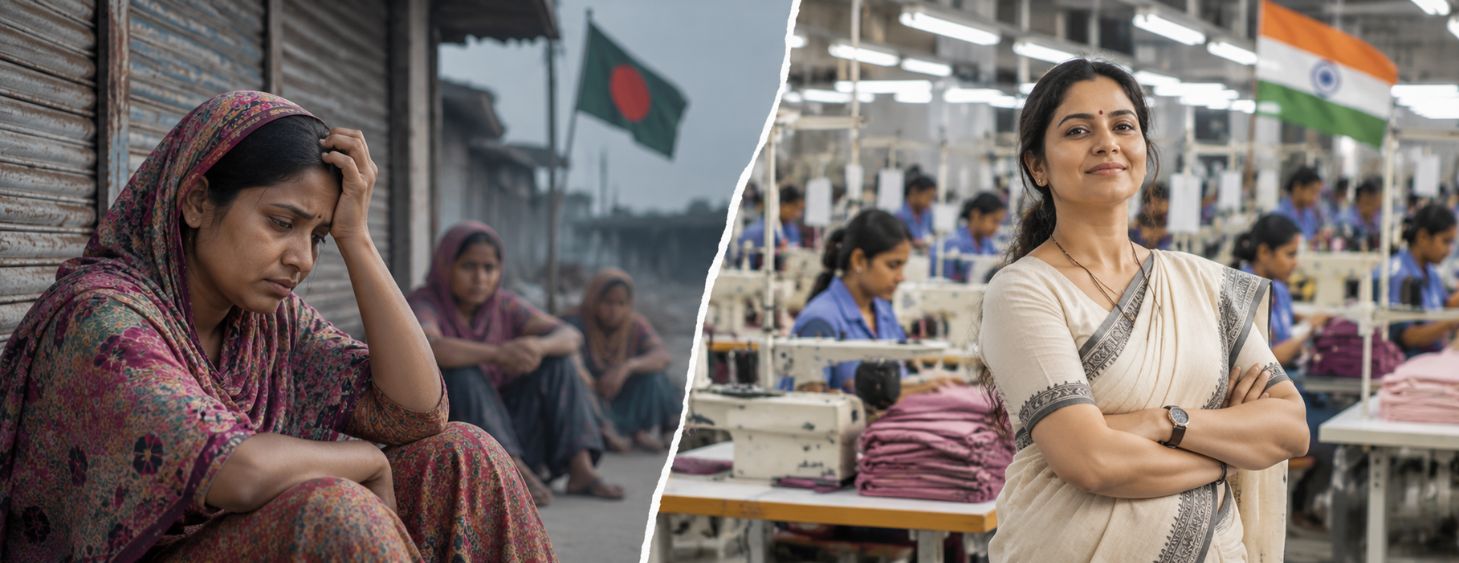
The Bangladesh Garment Crisis is disrupting global fashion supply chains. Discover why startups are turning to India for flexible garment manufacturing.
FARIDABAD, HARYANA, INDIA, November 16, 2026 /EINPresswire.com/ — Factory disruptions in Bangladesh are creating uncertainty for global apparel buyers. While large retailers can shift orders across countries, emerging fashion brands face mounting challenges. NoName is helping smaller labels navigate India’s garment manufacturing ecosystem through a flexible, asset-light model.
The ongoing crisis in Bangladesh’s garment manufacturing industry is creating uncertainty across the global fashion supply chain. International apparel buyers are concerned about production schedules, shipment commitments and sourcing reliability. While large fashion corporations have the resources and supplier networks to shift orders to other countries, emerging fashion brands and startups face a much tougher situation.
For smaller labels, manufacturing disruption can threaten collection launches, tie up working capital and affect seasonal retail commitments. As international buyers reassess their sourcing strategies, India is gaining attention as an alternative manufacturing destination. NoName, an India-based garment manufacturing and sourcing partner, aims to be a steady anchor for emerging brands navigating India’s manufacturing ecosystem.
Bangladesh’s Garment Industry Crisis: A Global Sourcing Concern
Bangladesh is one of the world’s major apparel manufacturing hubs, employing approximately four million workers and generating more than 80% of the country’s export earnings through its ready-made garment sector.
However, recent labour unrest has intensified concerns about production continuity. Reuters reported in November 2026 that wage protests and clashes forced hundreds of garment factories to suspend operations. Workers have been demanding an increase in the minimum monthly wage from 12,500 taka to 30,000 taka. These disruptions have raised concerns about production and shipment commitments during an important retail season.
The impact extends beyond factories. Global buyers depend on predictable manufacturing schedules to plan collections, manage inventory and meet retail deadlines. Production interruptions can result in delayed shipments, missed selling windows and additional logistics expenses.
Large retailers may be able to redistribute orders through established supplier relationships, dedicated sourcing teams and financial resources. Emerging brands rarely have the same flexibility.
Why Emerging Fashion Brands Are More Vulnerable
Many fashion startups depend on one or two manufacturing partners, operate with limited budgets and place smaller orders. They may not have alternative factories ready to take over production at short notice.
A disruption can lead to:
Missed launches: Delayed production can affect seasonal collections and retail commitments.
Financial pressure: Investments in fabric, sampling and production remain tied up.
Supplier challenges: Finding a replacement manufacturer willing to accept smaller quantities takes time.
Repeated development costs: Changing suppliers may require fresh samples, fit approvals and quality checks.
Reduced margins: Expedited shipping and unexpected expenses can affect profitability.
For smaller brands, the challenge is not simply finding another country to manufacture in. It is finding a capable partner who can help them navigate a new manufacturing environment.
Why More Fashion Brands Are Looking at India
The Bangladesh crisis has reinforced the importance of diversifying manufacturing destinations instead of relying heavily on a single sourcing market. India offers an established textile and apparel ecosystem, with manufacturing clusters, a broad fabric and yarn network and skilled garment workers.
From cotton T-shirts, sweatshirts and everyday wear to dresses, babywear and denim, India’s manufacturing network supports a wide range of apparel categories and sourcing requirements.
India also offers a different geopolitical and operating environment for international buyers seeking to diversify their supply chains. Although no manufacturing destination is entirely free from risk, spreading sourcing across markets can reduce dependence on any one country.
However, entering a new manufacturing market brings its own challenges. Identifying suitable suppliers, understanding fabric availability, managing sampling and maintaining quality standards require experience and coordination.
NoName: A Steady Manufacturing Anchor for Emerging Brands
Founded in 2018, NoName supports emerging and growing fashion brands across international markets with garment manufacturing and sourcing in India.
The company follows a lean, asset-light operating model, coordinating fabric sourcing, product development and garment production through its manufacturing and supplier network. This approach gives brands access to suitable manufacturing resources based on their product, material and order requirements, rather than restricting them to a single factory’s capabilities.
NoName helps brands navigate key stages of garment development, from material selection and sampling to production coordination and quality-related processes. Its flexible minimum order quantity arrangements for selected products and fabrics also address the needs of startups that may not be ready for large production commitments.
Building More Resilient Fashion Supply Chains
The disruption in Bangladesh highlights why supply-chain resilience must become a priority for fashion businesses of every size. While large retailers may have the resources to pivot between manufacturing destinations, emerging brands need experienced partners who can help them manage sourcing transitions without unnecessary complexity.
As more international buyers explore garment manufacturing in India, flexible, network-led partners can play an important role in making that transition manageable.
For emerging fashion brands, the decision is no longer just about finding the lowest manufacturing cost. It is about choosing a dependable manufacturing partner who understands their requirements, offers sourcing flexibility and helps them navigate uncertainty. Through its lean, asset-light model and supplier network, NoName aims to provide that steady anchor as brands diversify their sourcing and explore India’s garment manufacturing opportunities.
Pankaj Agrawal
Celestial Corporation
+91 96505 08508
pankaj@celestialfix.com
Visit us on social media:
LinkedIn
Instagram
Facebook
YouTube
Bangladesh Crisis: Why Emerging Fashion Brands Are Turning to India for Stability
Legal Disclaimer:
EIN Presswire provides this news content “as is” without warranty of any kind. We do not accept any responsibility or liability
for the accuracy, content, images, videos, licenses, completeness, legality, or reliability of the information contained in this
article. If you have any complaints or copyright issues related to this article, kindly contact the author above.

Media gallery