
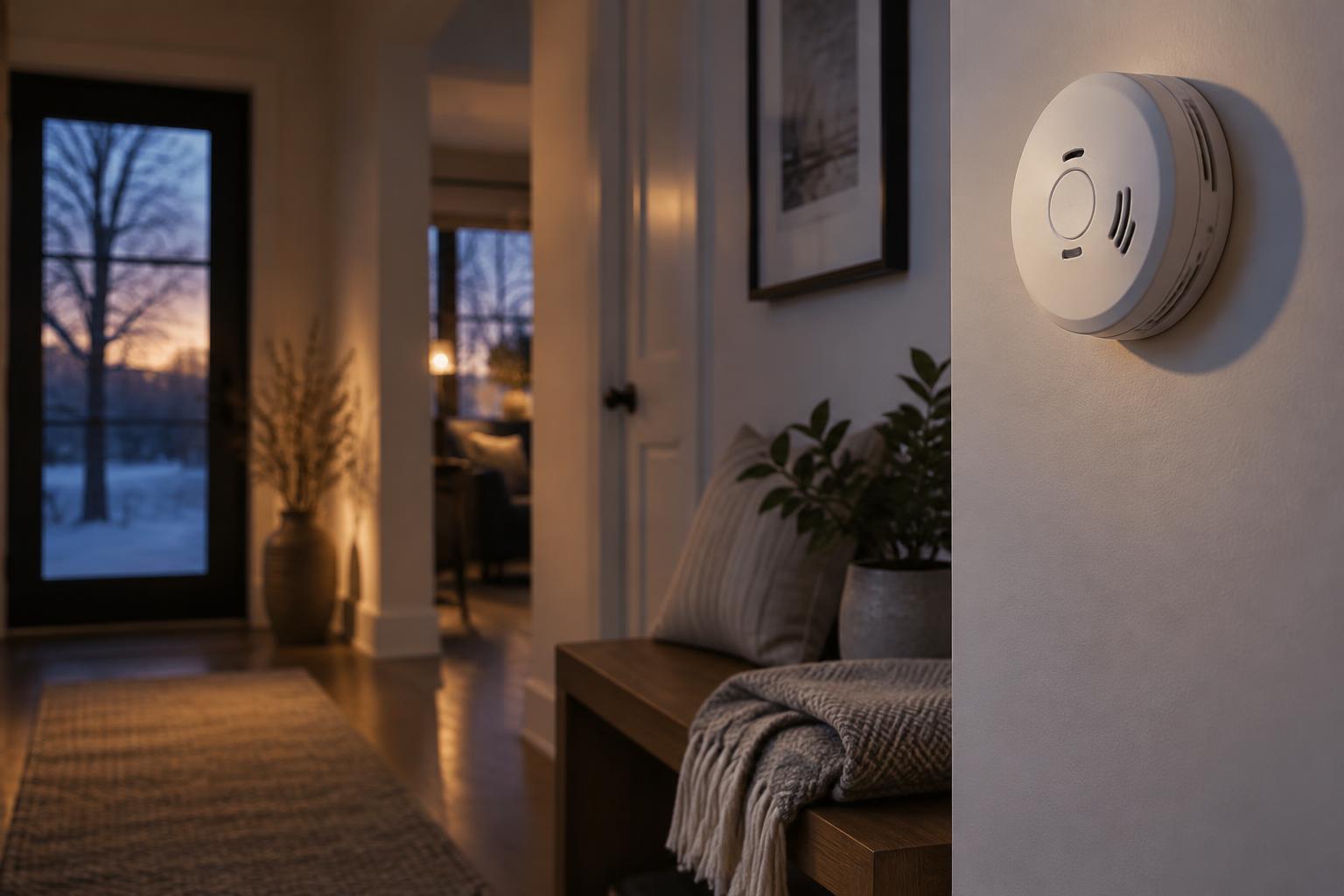
Home safety overview addresses alarm placement, equipment care and escape planning ahead of winter.
WILMINGTON, Del., Nov. 17, 2026 — X-SENSE ELECTRONICS is drawing attention to practical fire and carbon monoxide safety measures as households prepare for colder weather. The guidance focuses on checking alarm coverage, maintaining heating equipment and making sure family members know how to respond in an emergency.
Smoke and carbon monoxide pose different risks. Smoke can spread through a home before a fire is noticed, while carbon monoxide is colorless and odorless and may build up when fuel-burning equipment malfunctions or is improperly vented. The U.S. Consumer Product Safety Commission states, “Working smoke and CO alarms save lives,” and recommends smoke alarms in bedrooms and on every level, with CO alarms on each level and outside sleeping areas.
Residents should review alarm locations against the layout of their home and applicable local requirements. A smoke and carbon monoxide detector combines both types of monitoring in one device, although appropriate placement remains essential. In larger homes, compatible interconnected alarms can help make an alert audible across multiple rooms or floors.
One example is the X-SENSE SC07-W combo smoke and CO detector. According to the manufacturer’s published specifications, it uses a photoelectric smoke sensor and an electrochemical CO sensor, a 10-year sealed battery and wireless interconnection with compatible X-SENSE alarms. Homeowners should check device compatibility and installation requirements rather than assuming that all alarms work together.
Routine upkeep is as important as installation. The U.S. Fire Administration advises testing smoke alarms monthly. However, this product should be replaced 10 years after its date of manufacture, rather than 10 years after installation or first use. CO alarms should be tested and replaced according to their instructions; residents should also investigate low-battery, fault and end-of-life signals promptly.
Equipment checks can reduce risks that alarms alone cannot prevent. The CPSC advises annual inspection of heating systems and chimneys by a qualified technician, keeping portable heaters at least 3 feet from combustible items, and running portable generators outdoors rather than in homes or garages. Households should also keep exits clear and practice a plan that identifies alternate routes and an outdoor meeting place.
A room-by-room review can reveal missing alarms, blocked pathways or appliances that need attention. Smoke and CO alarms provide warnings, but safe equipment use and a practiced escape plan remain essential parts of home safety.
About X-SENSE
Founded in 2013, X-SENSE has safeguarded more than 15 million households worldwide with its comprehensive range of smoke alarms, carbon monoxide detectors, and environmental sensors. Backed by international certifications and designed for long-term reliability and user convenience, X-SENSE is committed to delivering innovative safety for every home.
Media Contact
Company Name: X-SENSE ELECTRONICS LLC
Contact Person: Martin
Email: partners@x-sense.com
Website: https://www.x-sense.com/
State/Country: Delaware


