
Astrosalva Therapeutics Adds Alexander Disease Scientist Natasha Snider, PhD, to Scientific Advisory Board
PR Newswire
SAN MATEO, Calif., Nov. 19, 2026
UNC-Chapel Hill researcher studies GFAP, the protein whose mutations cause Alexander disease
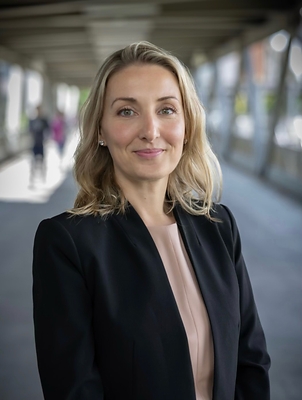
SAN MATEO, Calif., Nov. 19, 2026 /PRNewswire/ — Astrosalva Therapeutics, Inc. (“Astrosalva”), a privately held, preclinical biotechnology company developing treatments for Alexander disease (AxD) and cerebral adrenoleukodystrophy (cALD), today announced that Natasha Snider, PhD, associate professor of cell biology and physiology at the University of North Carolina at Chapel Hill, has joined its Scientific Advisory Board. She will advise Astrosalva on scientific matters relating to its research and development programs in leukodystrophies, including AxD.
To follow Astrosalva’s news, visit astrosalva.com or follow Astrosalva on LinkedIn.
Snider’s lab studies the structure, function and regulation of glial fibrillary acidic protein (GFAP), the protein affected in AxD. In AxD, mutations in GFAP cause the protein to misfold and accumulate inside astrocytes, the brain’s support cells. Her team has identified specific chemical modifications of GFAP associated with abnormal protein accumulation and severe, early-onset AxD, uncovering previously unrecognized disease mechanisms.
“Families living with Alexander disease need more treatment options, including medicines that are easier to take,” said Thomas Wagner, co-founder of Astrosalva. “Getting there starts with understanding the disease at its root. Natasha studies AxD down to the exact chemical changes on the protein that causes it, and that is the kind of rigor we want in the room.”
“GFAP-mediated astrocyte toxicity is the central driver of AxD,” said Snider. “The chemical changes we find on GFAP help explain part of its toxicity mechanism, and those insights can point to new targets for therapy. I am excited to serve as an advisor to Astrosalva and help bridge fundamental research in disease biology to the development of mechanism-based treatments for patients with AxD.”
About Natasha Snider, PhD
- Associate Professor, Department of Cell Biology and Physiology, University of North Carolina at Chapel Hill
- PhD training in pharmacology, University of Michigan
- Postdoctoral fellowship in molecular and integrative physiology, University of Michigan
She serves as an advisor in her individual capacity.
Astrosalva’s programs are preclinical, and the company does not currently have a clinical trial or expanded-access program open for participation. Families, clinicians, researchers and advocates can write to hello@astrosalva.com.
Related news from Astrosalva
Nov. 12, 2026 – Astrosalva Therapeutics Adds Michael MacLean, Former CFO of Novartis-Acquired Avidity Biosciences, to Strategic Advisory Board
Nov. 5, 2026 – Astrosalva Therapeutics Adds Rare Disease Patient Advocacy Leader Wendy Erler to Strategic Advisory Board
Oct. 29, 2026 – A Father’s Search for Answers Leads to Astrosalva Therapeutics, a New Biotech for Alexander Disease and cALD
About Astrosalva Therapeutics
Astrosalva Therapeutics is a privately held, preclinical biotechnology company developing treatments for Alexander disease (AxD) and cerebral adrenoleukodystrophy (cALD). Astrosalva was co-founded by Thomas Wagner and Paul Schmidt. Unravel Biosciences, a clinical-stage therapeutics company, is its founding development partner. The company is based in San Mateo, California.
Media contact
Astrosalva Therapeutics: hello@astrosalva.com
 View original content to download multimedia:https://www.prnewswire.com/news-releases/astrosalva-therapeutics-adds-alexander-disease-scientist-natasha-snider-phd-to-scientific-advisory-board-302944531.html
SOURCE Astrosalva Therapeutics, Inc.


